Colby Hires Renowned Architectural Firm to Design Science Complex
SOM is known for its high-impact, iconic architecture
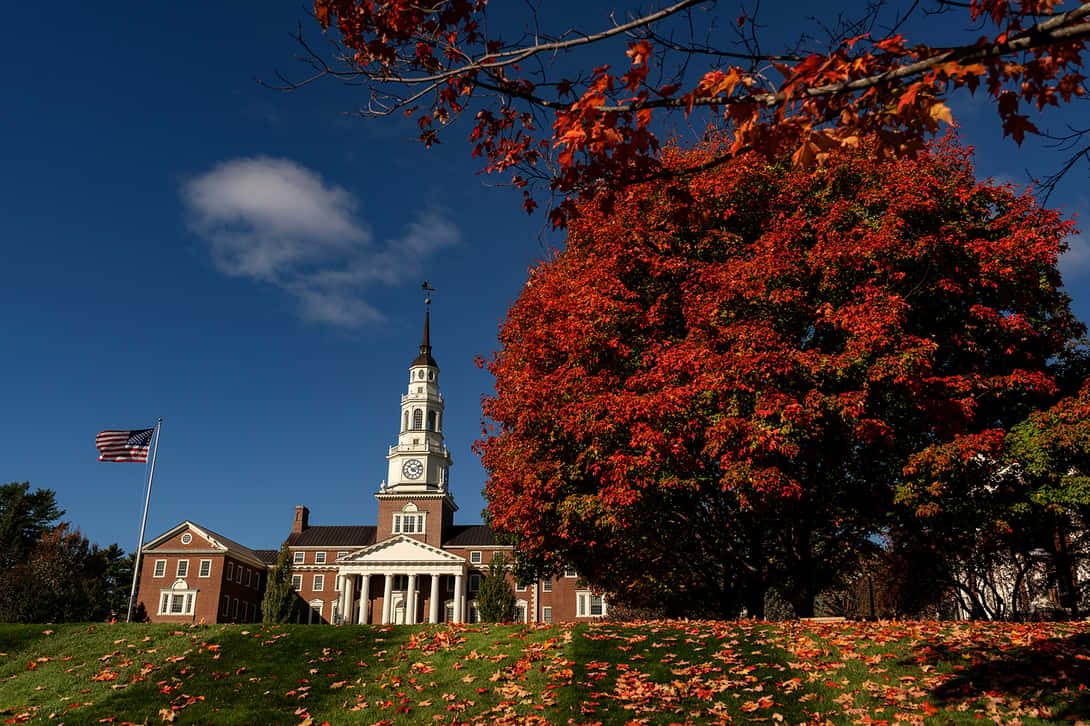
Colby has selected the internationally renowned architectural firm Skidmore, Owings & Merrill (SOM) to design the College’s new science complex project, which is expected to open in 2030. Based in New York with offices worldwide, SOM is known for high-impact, iconic architecture and innovative work with colleges and universities.
Colby recently announced it will invest half a billion dollars in science and technology, including a $300-million state-of-the-art science complex to address current and future science, educational, and research needs. Constructed on the site of the current Roberts parking lot, the building is envisioned to break down silos among science divisions by including a wide swath of sciences under one roof, encourage interdisciplinary collaboration, and invite students who do not see themselves as focused on science to explore, experiment, and innovate.
Anchored by a $150-million lead commitment, Colby’s new science initiative will elevate the College’s role in Maine’s burgeoning science ecosystem and enable faculty and students to explore applied fields that will expand opportunities for research to make an impact, including biomedical engineering, environmental engineering, materials engineering, and public health.
With approximately 200,000 square feet, the new science complex will include teaching and research laboratories, classrooms, offices, fabrication labs, specialized equipment and computing infrastructure, and gathering spaces.
“The design team from SOM is world class,” said Colby President David A. Greene. “The architects’ work for leading institutions around the globe showcases their deep knowledge of scientific research and teaching, their sector-leading sustainability practices, and their eye for beautiful structures that inspire creative work and connect people and ideas to further scientific discovery.”
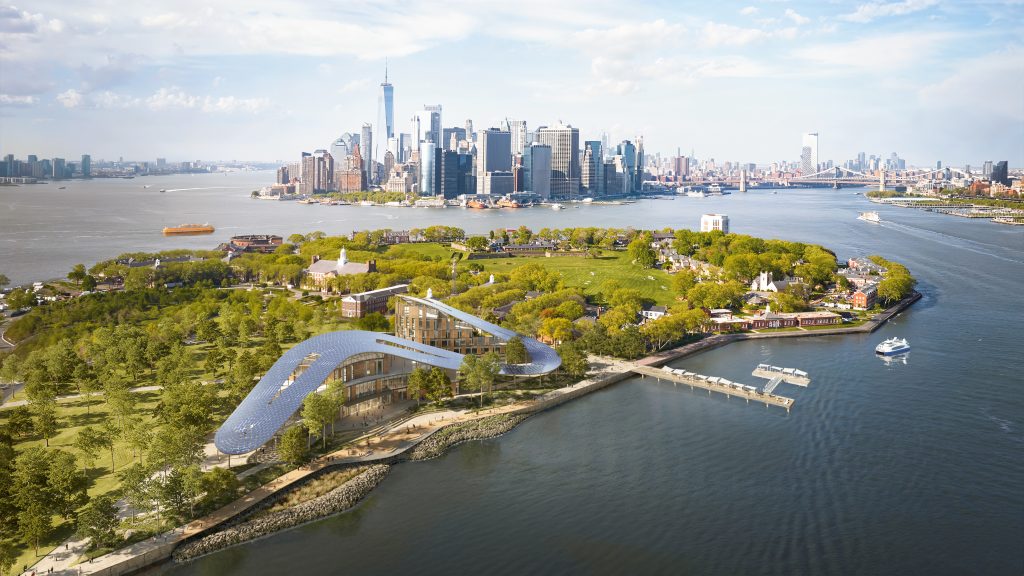
Among its notable projects related to higher education, SOM designed the New York Climate Exchange at Governors Island in New York for a consortium of higher education institutions led by Stony Brook University. Scheduled to open in 2029, the Climate Exchange is the result of an initiative to reimagine a public space as a local and global hub for climate science. It is designed as both a living laboratory and a public expression of what is possible in terms of sustainability and resilience.
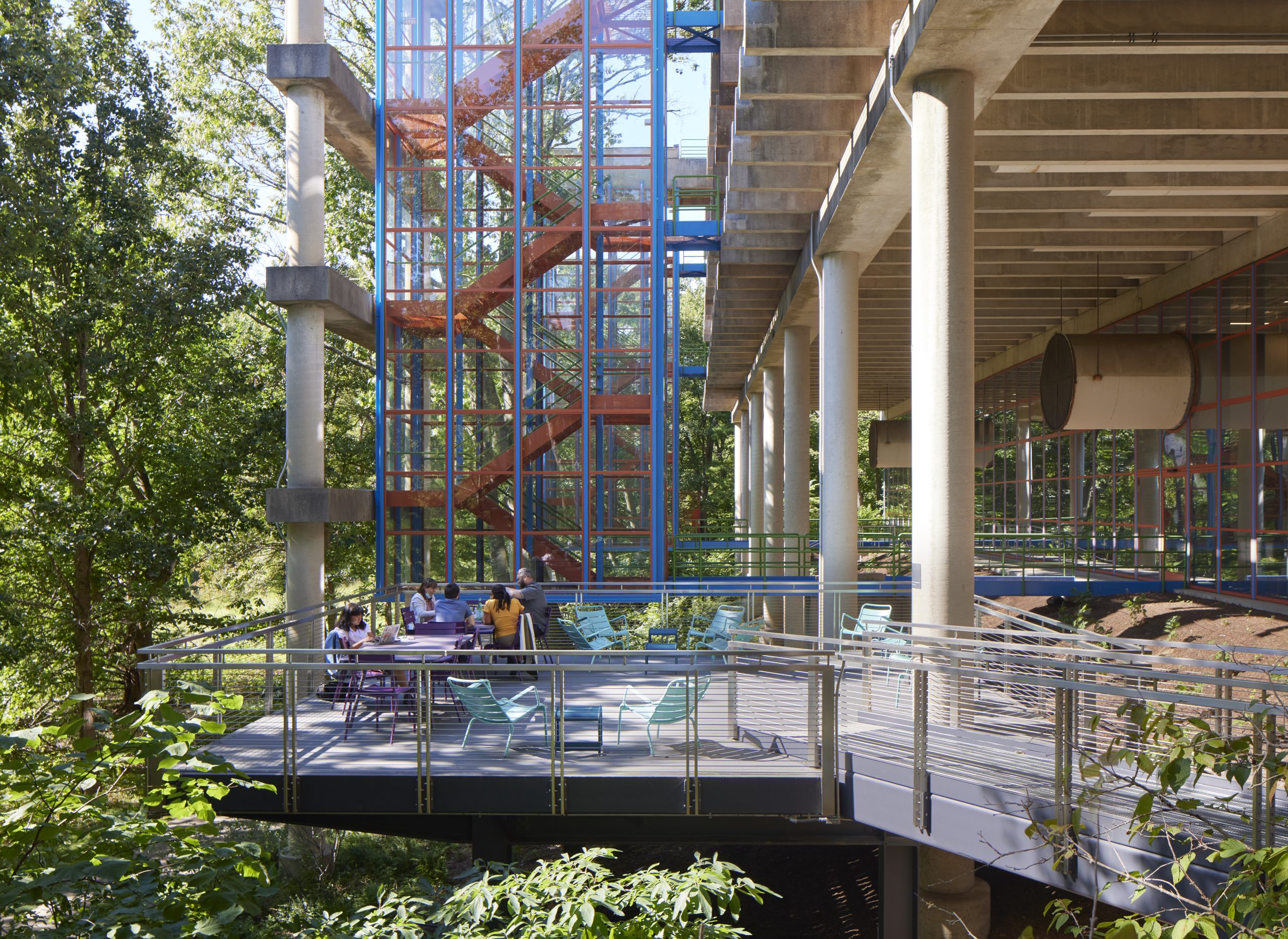
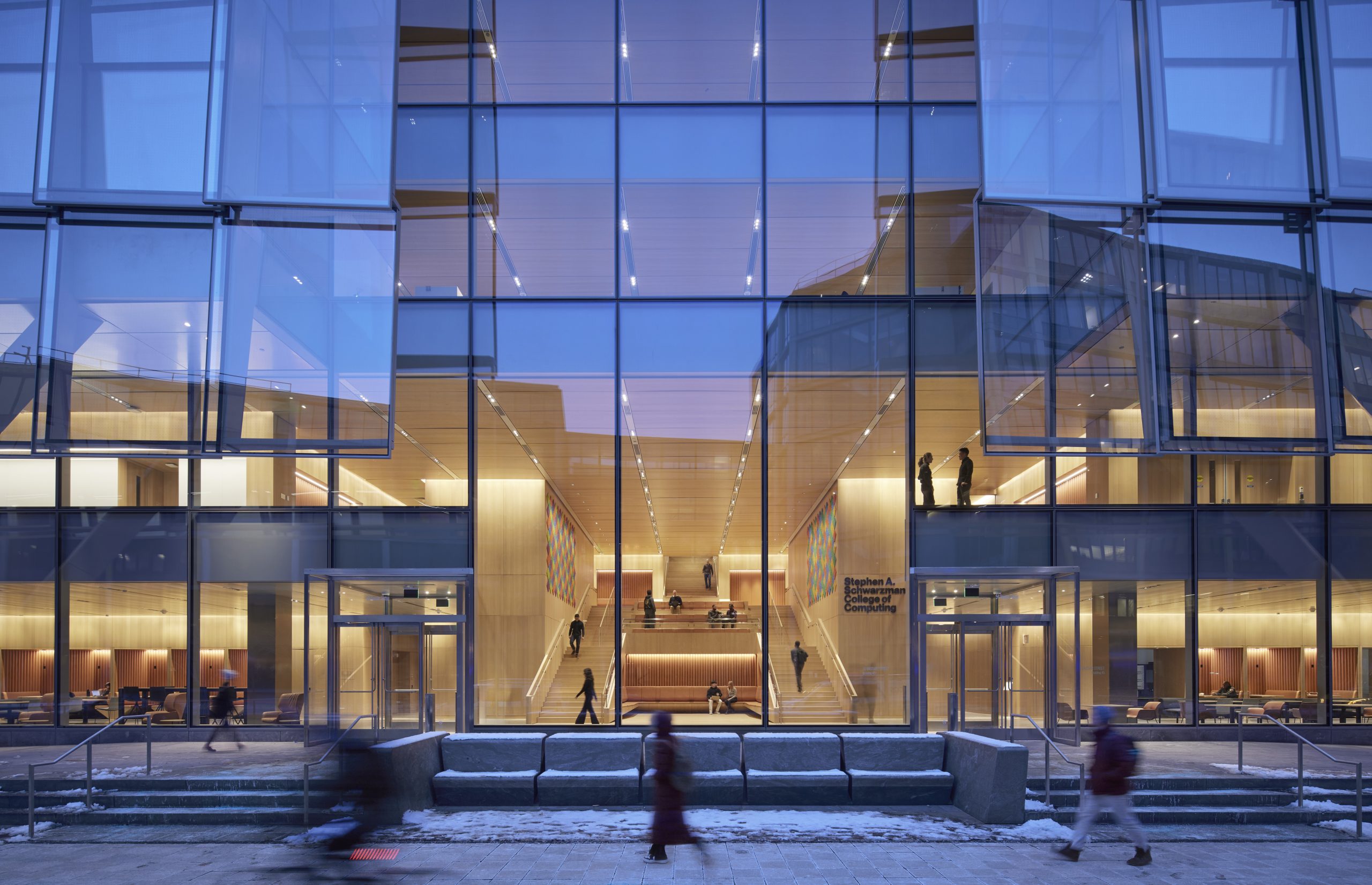
Other recent higher education projects also include the Stephen A. Schwarzman College of Computing at MIT in Cambridge, the New School-University Center in New York, the Wellesley College Science Complex, and others.
“We are delighted to partner alongside SOM to bring our vision of interdisciplinary and impactful science to life,” said Denise Bruesewitz, provost and Clara C. Piper Professor of Environmental Studies. “Over the next several months, our faculty will engage with the SOM team to articulate the ways that the new science complex can foster student-centered research and enhance visibility of our approach to liberal arts STEM education. SOM brings both inspiring, beautiful architecture and practical, functional space for science to this project in ways that will infuse a sense of collaboration and curiosity into research and teaching.”
Kevin Rice ’96, vice president of planning and strategy, said the science center will re-envision how Colby teaches and conducts research in the sciences, and transform how scientific inquiry can be integrated across all academic disciplines.
“Applied fields, including environmental engineering, biomedical engineering, and materials science, will forge important interdisciplinary collaborations, empowering Colby students to integrate science, humanities, and social sciences to address the pressing challenges in Maine and the world,” he said.
Colby and the cutting edge of science
At Colby, SOM envisions an energy-efficient complex that represents the cutting edge of science on a liberal arts campus.
“When we began the process of competing for this project, I was deeply impressed by the history of the institution, its relationship to the Waterville community, and its rich legacy and tradition for educating young minds,” said SOM Design Partner Colin Koop. “President Greene’s vision for the ongoing evolution of Colby was really inspiring to us. He is someone who really believes in the liberal arts model, but who also understands that its ongoing evolution is critical to preserving its place in the American education tradition.”
‘What makes this project compelling is that it brings together a wide spectrum of scientific disciplines, all under one roof. It will push us to bring our very best design thinking, and achieving the right outcome will demand extensive dialogue, continual refinement, and lots of iterations.’
SOM Design Partner Colin Koop
Koop described the project as an opportunity to create a building that students, faculty, and staff will walk through instead of around, that is embedded in the landscape, and whose form is inspired by nature. It will be a social anchor on the east side of campus, pulling people “through the sciences” and creating a pathway linking the Harold Alfond Athletics and Recreation Center with the Colby College Museum of Art to connect the arts, sciences, and athletics.
While the building will be designed for the sciences, SOM envisions it as a building for everyone. The architects and engineers will explore different conceptual models for organizing the space to blur disciplinary boundaries, encourage collaboration, and integrate research and teaching across all areas of the complex. This will involve creating shared areas with specialized equipment and instrumentation that bring researchers across disciplines into shared spaces.
“The new Colby building is one of the most ambitious projects I will have the opportunity to work on in my career,” Koop said. “It is rare to find a completely new interdisciplinary science facility—it’s far more common to see renovations, additions, or specialized research centers. What makes this project compelling is that it brings together a wide spectrum of scientific disciplines, all under one roof. It will push us to bring our very best design thinking, and achieving the right outcome will demand extensive dialogue, continual refinement, and lots of iterations.”